
Last Chance U
Choose whether to discuss the series or work from the premise and two short stories.
I haven't watched
The premise and two short stories.
You don't need to have seen the series. We'll work from the premise, two short stories from it, and hypotheticals clearly labeled as such.
Begin with I haven't watchedI've watched
All six approved moments are open.
We'll discuss approved moments from the series without quoting anyone in it.
Begin with I've watchedYou can change stories while you are still in Observe. After that, your chosen story stays with you for the rest of the experience.
The question at the center
What conditions does an institution create, or fail to create, that determine whether students succeed, and how do you move from relying on heroes to designing for success?
Why it matters
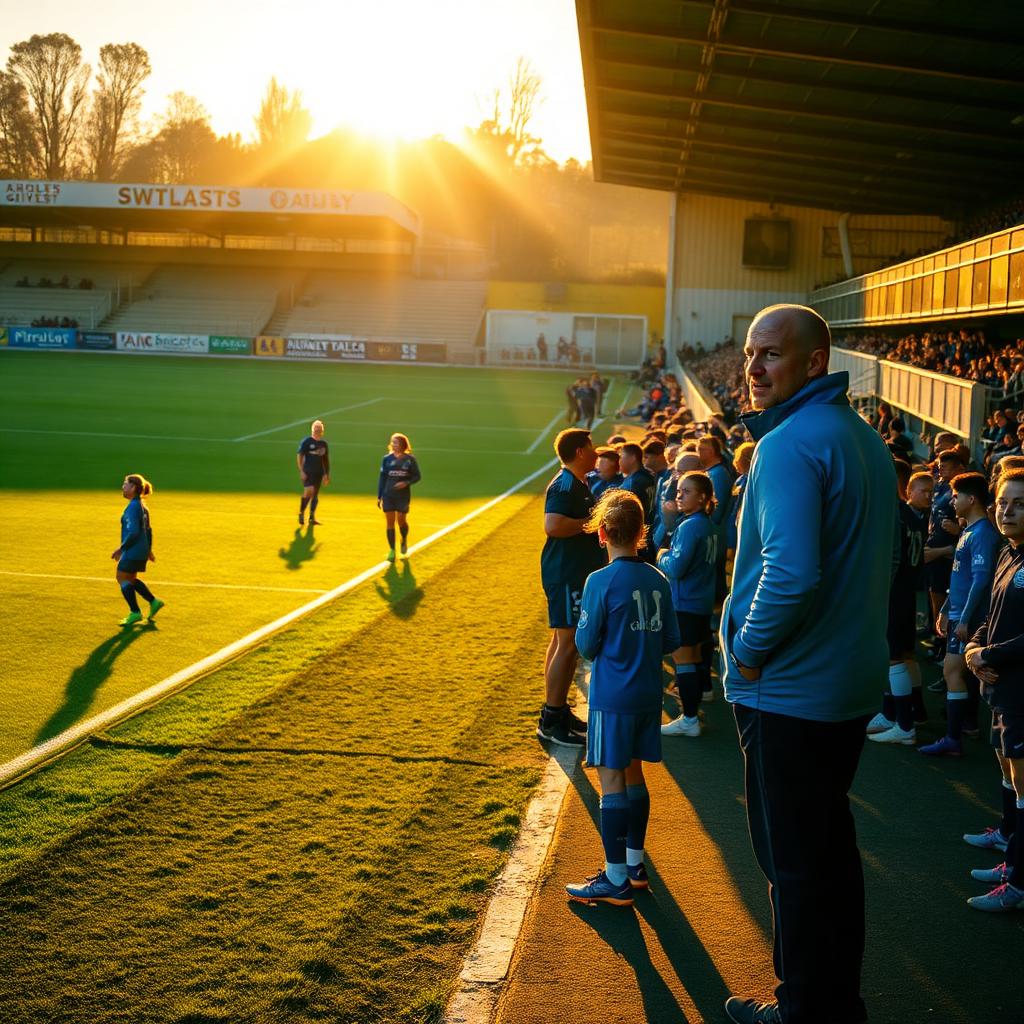
Last Chance U is a Netflix documentary series about community college football programs. Many of the players are there for a second chance after setbacks elsewhere. At East Mississippi Community College, a rural campus where players live in dorms far from home, an academic advisor works relentlessly to keep players in class and eligible to transfer. At Laney College in Oakland, there are no dorms and little scholarship money; players commute long distances, work, and sometimes struggle to find a place to sleep, while their coach connects them with the college's support services. We treat the series as a case study in the conditions that help students succeed, and you don't need to have seen it.
The Learning Everywhere Framework™
Observe → Connect → Analyze → Apply → Reflect
1
Observe: Two Colleges
2
Connect: Your Campus's Conditions
3
Analyze: Heroes or Design?
4
Apply: My Conditions Plan or My Insight
5
Reflect: Creating the Conditions

Potato™, your learning coach
Potato is warm, curious and practical, and keeps the focus on what learners can change.
What you'll walk away with
- Identify the practical conditions that shape whether students succeed, such as food, housing, transportation, schedules and clear paths, and treat them as institutional, not private, concerns.
- Recognize how leaders create culture through what they pay attention to, react to, model and reward, including your own role.
- Recognize when student success depends on one person, and help make meaningful relationships with students expected, supported and sustainable across the institution.
- Bring front-line knowledge into institutional decisions, and examine how practitioners' own beliefs shape student outcomes.
- Decide how to tell whether a change in conditions is helping students, using students' voices as well as data, and name who is responsible.