Professional learning for teachers and the people who lead them
Nine competency-based courses across classroom practice, school leadership, and student wellbeing — built around shows that get school right. Each one is five modules, built for professional practice.
Competency track
Streaming service
Showing 9 of 9 courses
Classroom Practice & Instruction
Engagement, classroom management, differentiation, and the craft of teaching that holds up on the hardest Tuesday of the year.

Classroom Management & Engaging Instruction
Making It Work: Engagement, Management & Teaching With What You Have
Abbott Elementary is the most accurate portrait of underfunded public school teaching on television: no supplies, no substitutes, and a second-year teacher figuring out routines in real time. This course turns that daily improvisation into an explicit, teachable practice.
Think about the ten minutes of your day that most reliably fall apart. What routine is missing there?
What you'll be able to do
- Design classroom routines that reduce behavior problems before they start
- Plan engaging lessons under real material and time constraints
- Respond to disruption in ways that keep the student in the room
- Use colleagues and mentors as a deliberate instructional resource
Syllabus▾
Module 1. Routines Before Rules
Anchor: The first week of school
- Procedures, transitions, and the first ten minutes
- Teaching routines explicitly
- Where most management problems actually originate
Module 2. Engagement by Design
Anchor: The lesson that lands
- Relevance, choice, and active participation structures
- Checking for understanding continuously
- Recovering a lesson that is dying in front of you
Module 3. Responding to Behavior
Anchor: The difficult class period
- De-escalation and low-intervention responses
- Exclusion, referral, and their costs
- Repair after conflict with a student
Module 4. Teaching Without Resources
Anchor: The supply closet
- High-leverage, low-cost instructional moves
- Advocating for materials without waiting for them
- Sharing and adapting rather than building alone
Module 5. Colleagues as Capacity
Anchor: The teacher's lounge
- Mentorship and instructional coaching relationships
- Observing peers productively
- Grade-level teams that share real work

Differentiation & Adolescent Engagement
Every Kid in the Room: Differentiation & Reaching the Disengaged
Freaks and Geeks watches the same school from the perspective of the students it serves well and the students it quietly gives up on. That double vision is the foundation of a course on differentiation, tracking, and the motivational lives of adolescents.
Which student in your class have you privately decided is not going to change this year?
What you'll be able to do
- Differentiate content, process, and product without creating three lesson plans
- Diagnose disengagement as a signal rather than a trait
- Interrogate tracking and grouping practices in your own school
- Build motivation through competence, autonomy, and relatedness
Syllabus▾
Module 1. Two Schools in One Building
Anchor: The freaks and the geeks
- How students experience the same class differently
- Tracking, labels, and self-fulfilling expectations
- Data that reveals who is being lost
Module 2. Practical Differentiation
Anchor: One class, many levels
- Tiered tasks and flexible grouping
- Scaffolds that fade
- Assessment that shows growth, not only rank
Module 3. Adolescent Motivation
Anchor: The student who stops trying
- Self-determination theory in classrooms
- Effort, identity, and the fear of trying and failing
- Feedback that increases persistence
Module 4. Relationships as Instruction
Anchor: The teacher who notices
- Two-by-ten and other relational practices
- Knowing students' lives without prying
- Repairing a relationship you damaged
Module 5. Rethinking Sorting
Anchor: Guidance and the future
- Course access, gatekeeping, and equity
- Counseling students toward possibility
- Changing a placement practice in your building

Culturally Responsive Practice & Family Context
Knowing Your Students: Identity, Family & Culturally Responsive Teaching
A first-generation teenager navigates grief, family expectation, and school in three registers at once. Never Have I Ever gives educators a specific, affectionate case study in the cultural and family context students carry into the classroom every morning.
What do you know about your most quiet student's home that you learned from them rather than assumed?
What you'll be able to do
- Design instruction that draws on students' cultural and family assets
- Partner with families across language, work-schedule, and trust barriers
- Support students navigating grief, identity, and family expectation
- Audit your curriculum and examples for whose experience is centered
Syllabus▾
Module 1. Students Carry Context
Anchor: Home versus school
- Funds-of-knowledge approaches
- Code-switching and its cost
- Assumptions embedded in routine assignments
Module 2. Culturally Responsive Instruction
Anchor: The classroom that reflects them
- Curriculum audit basics
- Relevance without tokenism
- High expectations paired with cultural affirmation
Module 3. Family Partnership
Anchor: The parent conference
- Communication across language and schedule barriers
- Reframing conferences as two-way
- Working with families who distrust school
Module 4. Grief and Adolescent Identity
Anchor: The year after loss
- Recognizing grief in behavior and performance
- Referral pathways and staying in your lane
- Supporting identity exploration safely
Module 5. Boundaries and Professionalism
Anchor: Being the trusted adult
- Appropriate closeness and clear boundaries
- Mandatory reporting in practice
- Sustaining care without over-involvement
School Leadership
Instructional leadership, teacher retention, family partnership, and running a building with the budget you actually have.

Systems Leadership, Accountability & Equity
Season Four: Schools Inside Systems They Do Not Control
The fourth season of The Wire is the most rigorous depiction of school leadership ever filmed: testing pressure, students whose lives overwhelm the building, and adults who mean well inside incentives that punish them. It is the anchor for a demanding course on leading a school inside a system.
What does your school currently do because it is measured, rather than because it works?
What you'll be able to do
- Analyze how accountability metrics distort school and classroom behavior
- Lead improvement work that addresses causes outside the building
- Protect teachers from pressure without lowering expectations
- Build community and agency partnerships that share the load
Syllabus▾
Module 1. The Building and the System
Anchor: The new school year
- Mapping the constraints a principal does not control
- Central office relationships that help or hinder
- Where a leader's real discretion lives
Module 2. Teaching to the Test
Anchor: Test prep season
- Goodhart's law in education
- Measures worth protecting versus gaming
- Communicating results honestly to your community
Module 3. Students the System Loses
Anchor: The four boys
- Attendance, discipline, and the exclusion pipeline
- Wraparound supports and their limits
- Interventions with evidence behind them
Module 4. Supporting Adults
Anchor: The teacher who is drowning
- Retention and the causes of teacher exit
- Coaching, evaluation, and trust
- Shielding staff from noise without hiding reality
Module 5. Community as Strategy
Anchor: Outside the school walls
- Agency, nonprofit, and family partnerships
- Shared accountability structures
- Sustaining partnerships past a single leader
Community Leadership & Culture
Clear Eyes: Leading a School Community Under Public Pressure
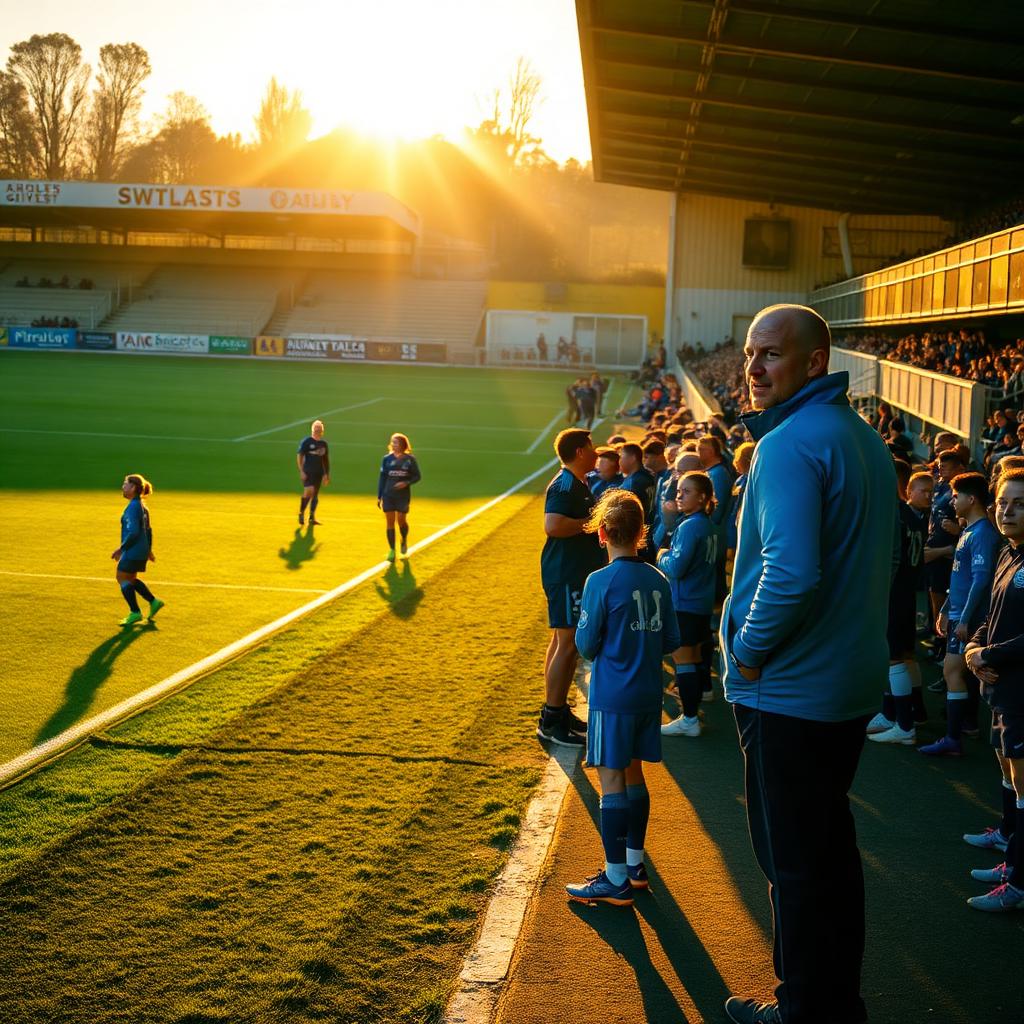
Friday Night Lights is about a leader whose every decision is discussed at the diner by morning. For principals and district leaders, it is the truest available study of public scrutiny, community expectation, and building culture that outlives one season's results.
Whose approval do you check first after a hard decision — and should it be theirs?
What you'll be able to do
- Articulate a school vision the community can repeat back to you
- Make unpopular decisions while keeping the community's confidence
- Develop staff and student leaders rather than depending on stars
- Sustain personal steadiness under continuous public scrutiny
Syllabus▾
Module 1. Vision That Travels
Anchor: The first town meeting
- Naming what your school is for
- Simple language and repeatable messages
- Aligning symbols, schedule, and budget to the vision
Module 2. Decisions in Public
Anchor: The unpopular call
- Decision communication frameworks
- Managing boosters, boards, and vocal parents
- Holding a decision without becoming rigid
Module 3. Developing People
Anchor: The players who lead
- Distributed leadership in schools
- Coaching conversations with staff
- Succession and building bench strength
Module 4. Setbacks and Seasons
Anchor: Losing
- Leading after a public failure
- Narrative repair with staff and community
- Long-horizon goals inside annual judgment
Module 5. The Leader's Life
Anchor: Home at the end of the night
- Boundaries in a small-community role
- Marriage, family, and the always-on job
- Sustaining a career past the first burnout

Policy Conflict, Staff Support & Communication
The Contested Building: Policy, Parents & Professional Judgment
English Teacher is comedy about a genuinely hard reality: teachers making judgment calls that become community controversies overnight. It anchors a course on curriculum challenges, parent conflict, and how leaders support staff without abandoning process.
The next complaint about a classroom decision arrives Monday. What is your first move, before you know the facts?
What you'll be able to do
- Handle a curriculum or classroom challenge with a defensible process
- Support a teacher publicly while investigating privately
- De-escalate parent and community conflict before it reaches the board
- Communicate clearly during a controversy without over-promising
Syllabus▾
Module 1. When the Complaint Arrives
Anchor: The first phone call
- Intake, process, and not deciding too early
- Documentation from minute one
- Who needs to know, and when
Module 2. Professional Judgment and Policy
Anchor: The disputed lesson
- Where policy ends and teacher judgment begins
- Reviewing materials with a stated standard
- Defending judgment you disagree with
Module 3. Parents and Community
Anchor: The meeting
- Structured difficult conversations with families
- Managing a group that arrives organized
- Boundaries on social media escalation
Module 4. Supporting Staff
Anchor: The teacher in the middle
- Public support versus private accountability
- Union, HR, and due process realities
- Aftercare for a staff member who was targeted
Module 5. Communicating Through It
Anchor: The statement
- Message discipline and what not to say
- Board and district alignment
- Rebuilding trust once the news cycle ends
Student Wellbeing & Belonging
Trauma-informed practice, mentorship, restorative approaches, and the relationships that keep students in school.

Student Health, Counseling & Trusted Relationships
What Students Are Actually Asking: Wellbeing, Health & Trusted Adults
Sex Education's premise — students bringing real questions to the only person who will answer them honestly — describes what happens in schools every day. This course prepares educators to be that trusted adult correctly: informed, boundaried, and clear about where their role ends.
A student tells you something serious and asks you not to tell anyone. What do you say in the next sentence?
What you'll be able to do
- Respond to student disclosures with accurate, boundaried support
- Explain confidentiality and reporting obligations before a disclosure happens
- Refer students to counseling and health resources effectively
- Create classroom conditions where students ask questions rather than guess
Syllabus▾
Module 1. Being the Trusted Adult
Anchor: The clinic in the bathroom
- Why students choose who they choose
- Availability without over-attachment
- Accurate information versus personal opinion
Module 2. Disclosure and Reporting
Anchor: The secret
- Mandatory reporting scenarios and scripts
- Explaining limits of confidentiality up front
- Documenting and following up after a report
Module 3. Adolescent Health and Development
Anchor: The health questions
- Developmental context for risk behavior
- Health literacy and where students get information
- Working within your district's policy
Module 4. Belonging and Identity
Anchor: The students on the margins
- LGBTQ+ students and school safety
- Bullying interventions with evidence
- Inclusive classroom norms that hold
Module 5. Referral and Team Response
Anchor: The counselor's office
- Building a referral map you can use in two minutes
- Multi-tier systems of support in practice
- Family involvement decisions
Restorative Discipline & Conflict Resolution
No Mercy or Second Chances: Discipline, Conflict & Restorative Practice
Cobra Kai is a decades-long escalation between two groups of teenagers and the adults who model exactly the wrong behavior. It is a surprisingly rigorous case study in conflict cycles, discipline that fuels retaliation, and what restorative approaches require to work.
The last fight at your school — what happened between the students the week before, and did anyone ask?
What you'll be able to do
- Analyze a conflict as a cycle rather than an incident
- Facilitate a restorative conversation between students
- Evaluate discipline data for disproportionality and unintended effects
- Mentor students toward accountability without humiliation
Syllabus▾
Module 1. Conflict Cycles
Anchor: The rivalry restarts
- Escalation dynamics among adolescents
- Adults who add fuel
- Reading the history behind an incident
Module 2. Discipline That Backfires
Anchor: Suspensions and after
- Exclusionary discipline outcomes in research
- Disproportionality analysis on your own data
- Consequences that teach
Module 3. Restorative Practice
Anchor: The apology that is not one
- Circles, conferences, and preparation requirements
- When restorative practice is inappropriate
- Follow-through and re-entry plans
Module 4. Mentorship and Modeling
Anchor: The two senseis
- Adult behavior as curriculum
- Mentoring students with hard reputations
- Coaching that builds character claims into practice
Module 5. Schoolwide Climate
Anchor: The tournament
- Norms, rituals, and belonging at scale
- Student leadership in climate work
- Measuring climate change over years

Trauma-Informed Practice & Educator Wellbeing
Everyone Is Carrying Something: Trauma-Informed Schools & Adult Wellbeing
Shrinking is about grief, boundaries, and helpers who are not okay — which is the unaddressed half of trauma-informed schooling. This course covers trauma-informed practice for students and, just as seriously, the secondary stress carried by the adults who provide it.
Your staff absorbed a hard year. What did the school actually do for them, beyond a thank-you breakfast?
What you'll be able to do
- Apply trauma-informed principles to routines, discipline, and instruction
- Recognize secondary traumatic stress in yourself and colleagues
- Build peer support structures that do not depend on one heroic adult
- Set boundaries that make long-term care of students possible
Syllabus▾
Module 1. Trauma in the Building
Anchor: Grief at the center
- Trauma responses that look like defiance
- Predictability, choice, and safety as design principles
- Avoiding re-traumatization in routine practice
Module 2. Practice, Not Posture
Anchor: The daily work
- Regulation strategies for classrooms
- Language shifts with real effects
- Coordinating with clinical supports
Module 3. Secondary Traumatic Stress
Anchor: The helpers
- Recognizing accumulation in staff
- Supervision and debriefing structures
- Normalizing help-seeking among educators
Module 4. Boundaries and Sustainability
Anchor: Saying no
- Boundaries with students, families, and colleagues
- Workload realism and the martyrdom narrative
- Recovery practices that fit a school schedule
Module 5. A School That Holds People
Anchor: The group
- Peer support and staff care that is structural
- Leader behaviors that protect wellbeing
- Measuring staff wellbeing honestly
Bring this track to your school or district
In-service days, new-teacher induction, and leadership cohorts. Join the waitlist and tell us which track your staff needs first.